Category: Default
-
Water and wastewater
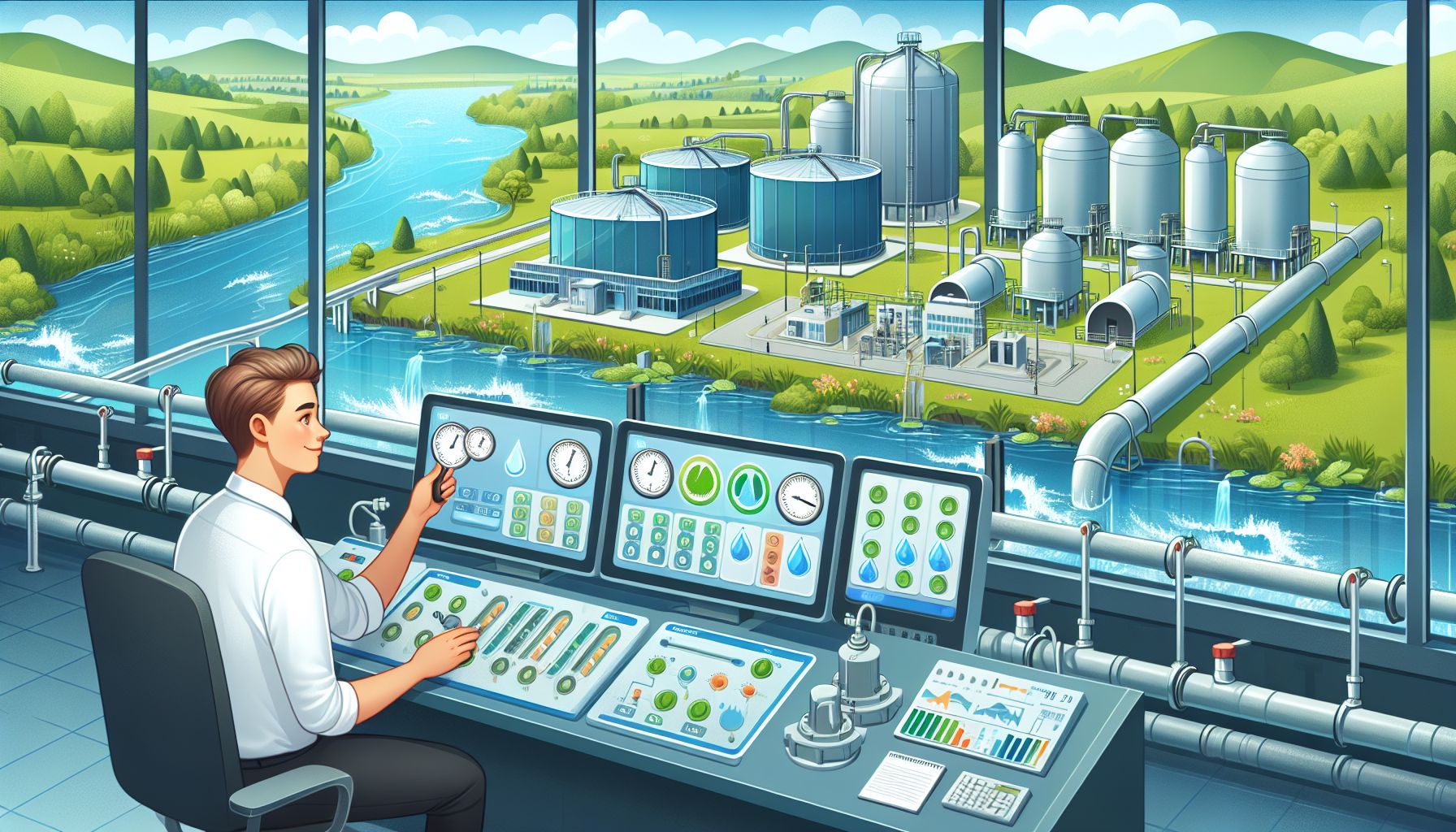
Water and wastewater management constitutes a critical part of public health and environmental protection. The processes are integral to maintaining the quality of the drinking water supply and safeguarding bodies of water from contamination by domestic and industrial wastes. What is Water Management? Water management involves a host of activities, including collecting, treating, and distributing…
-
Emergency planning for disinfection system failures
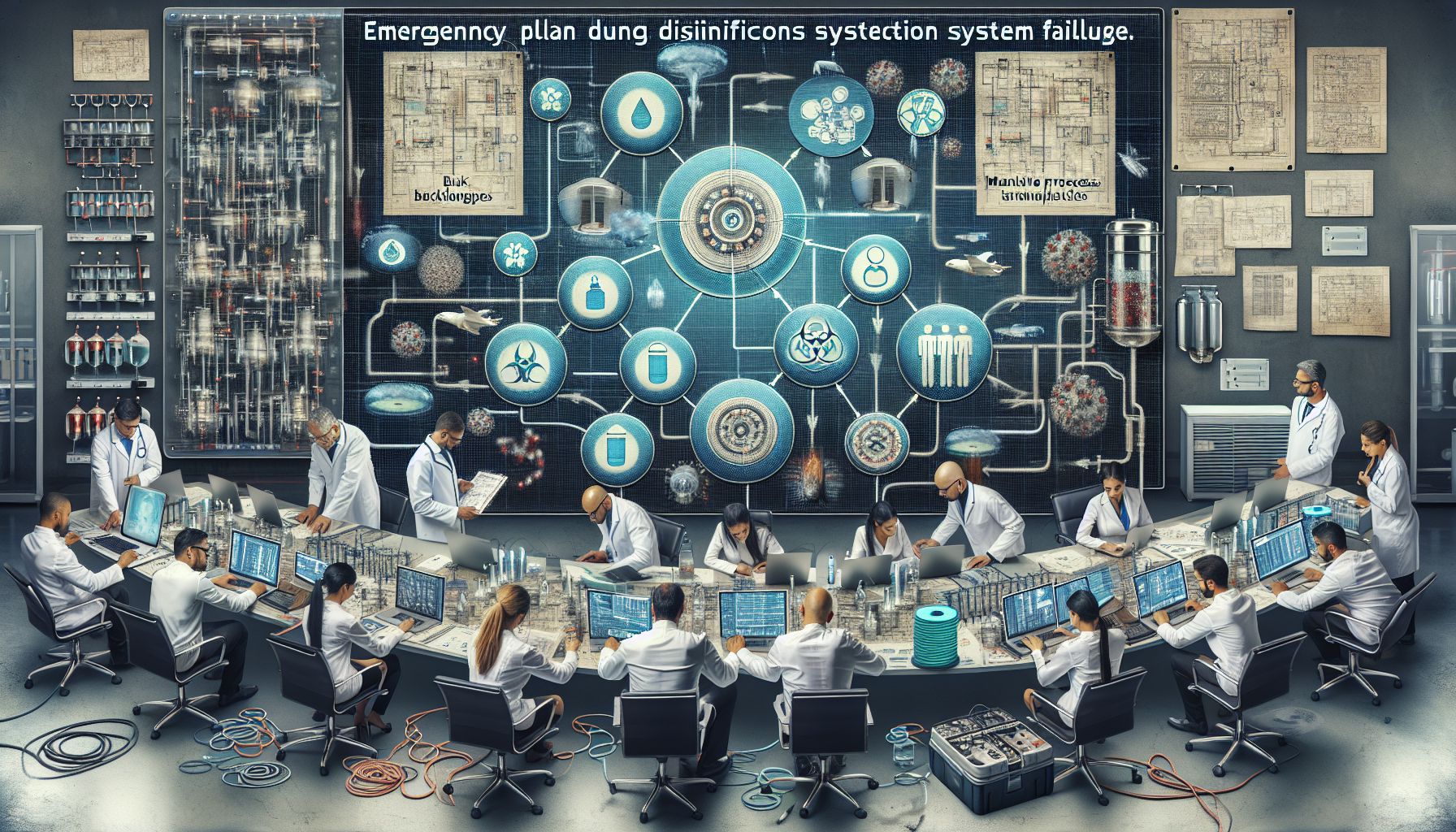
Understanding Disinfection System Failures Disinfection systems play a critical role in many industries, protecting public health and environmental safety. They prevent disease transmission and minimize cross-contamination issues. Failures in these systems can, therefore, have dramatic impacts. They might cause minor issues like bad smell or taste issues with water supplies, or bigger problems relating to…
-
Cost factors shaping disinfection system procurement
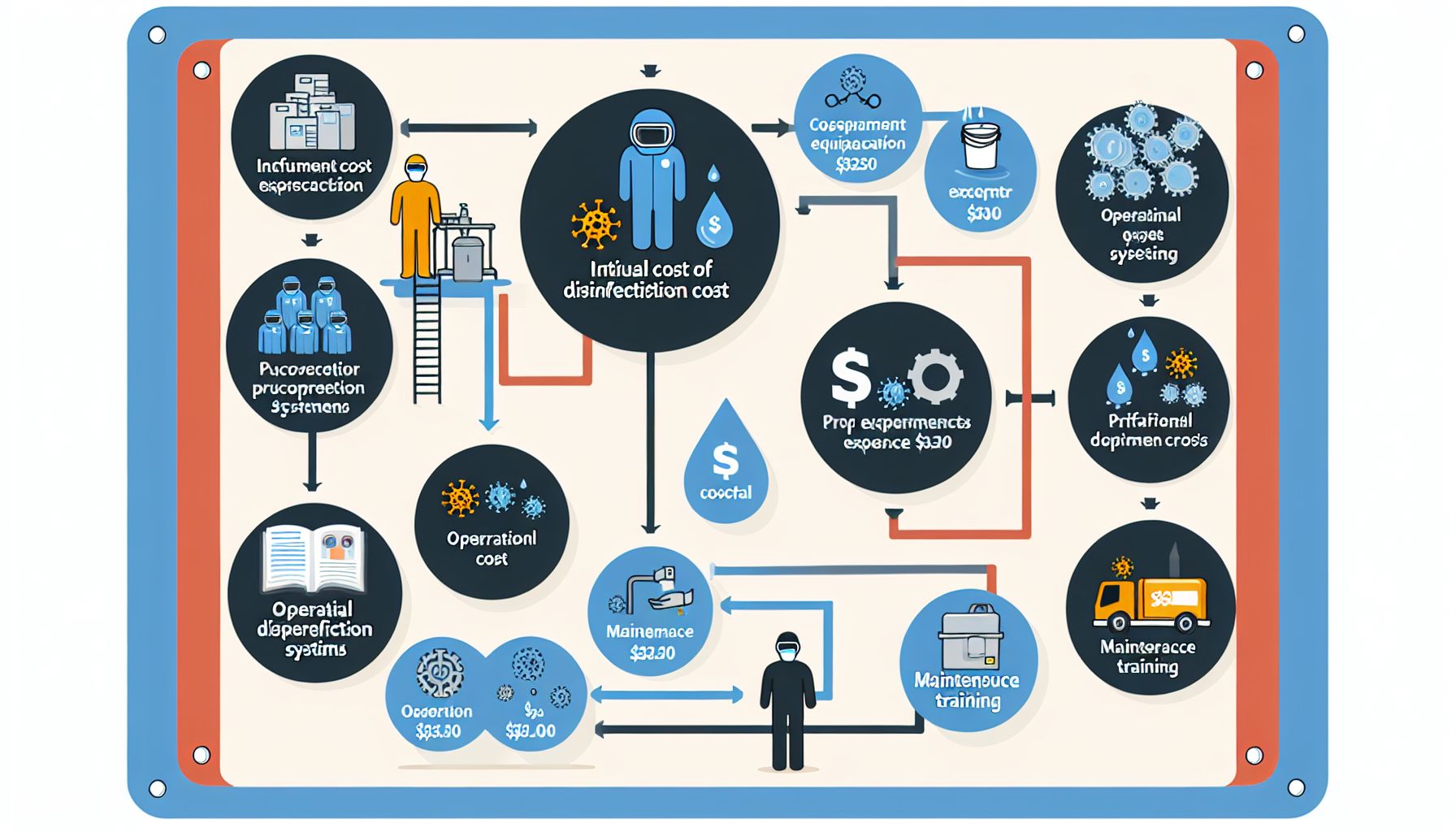
Obtaining a disinfection system for any facility or infrastructure can be an investment. Numerous cost factors can influence the type of system procured. Understanding these factors can help facility managers, owners, and other decision-makers make informed purchasing choices. Let’s explore these elements in depth. Capital Costs Any disinfection system purchase needs to consider upfront capital…
-
Evaluating chemical dosing system design alternatives
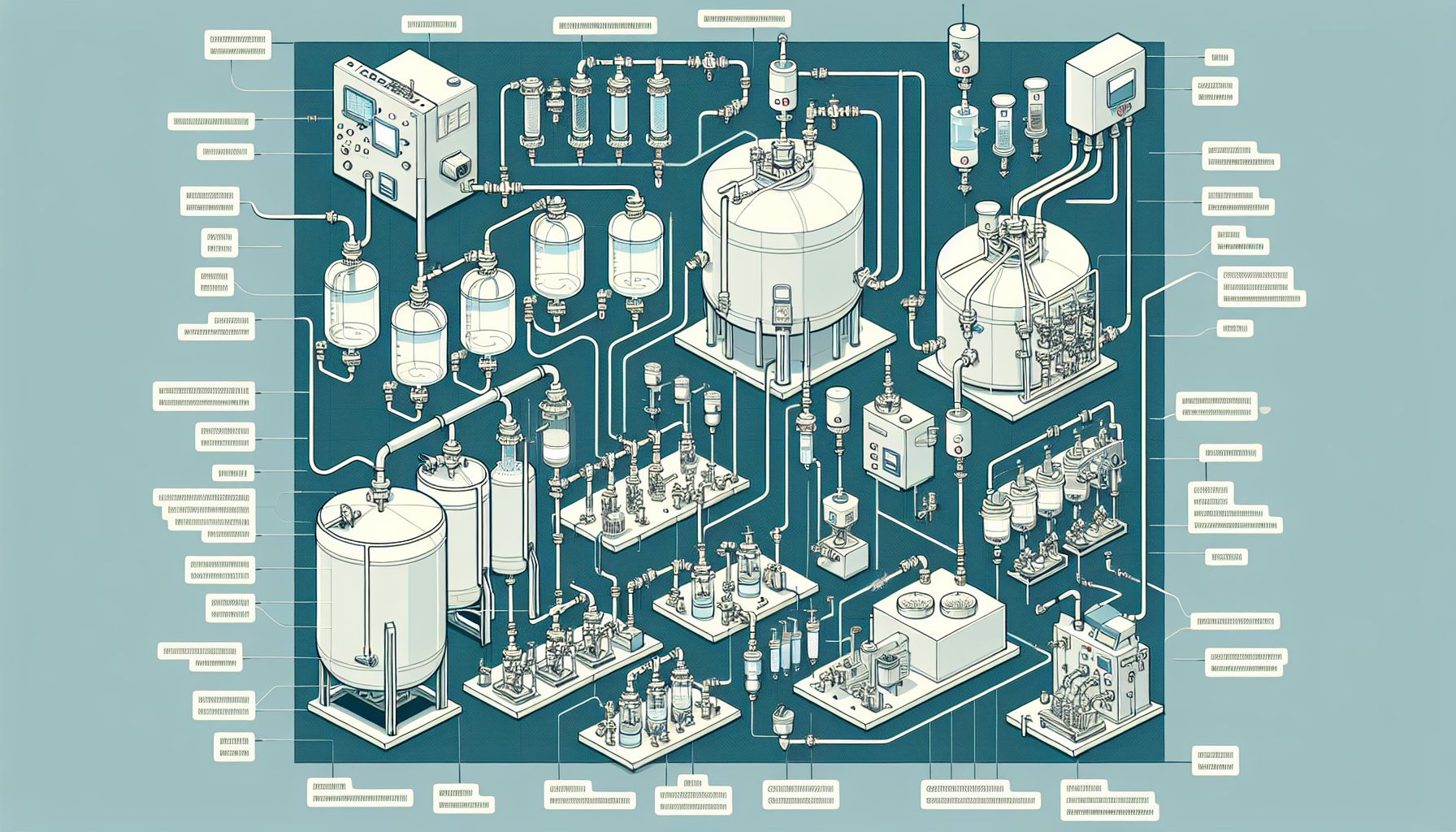
In industrial water treatment processes, it is crucial to understand the dynamic characteristics of the chemical dosing systems used for treatment. Applying effective evaluation strategies can enhance the accuracy and efficiency of system operations, leading to improved water quality and cost-effectiveness in operation. This article focuses on evaluating different design alternatives for chemical dosing systems.…
-
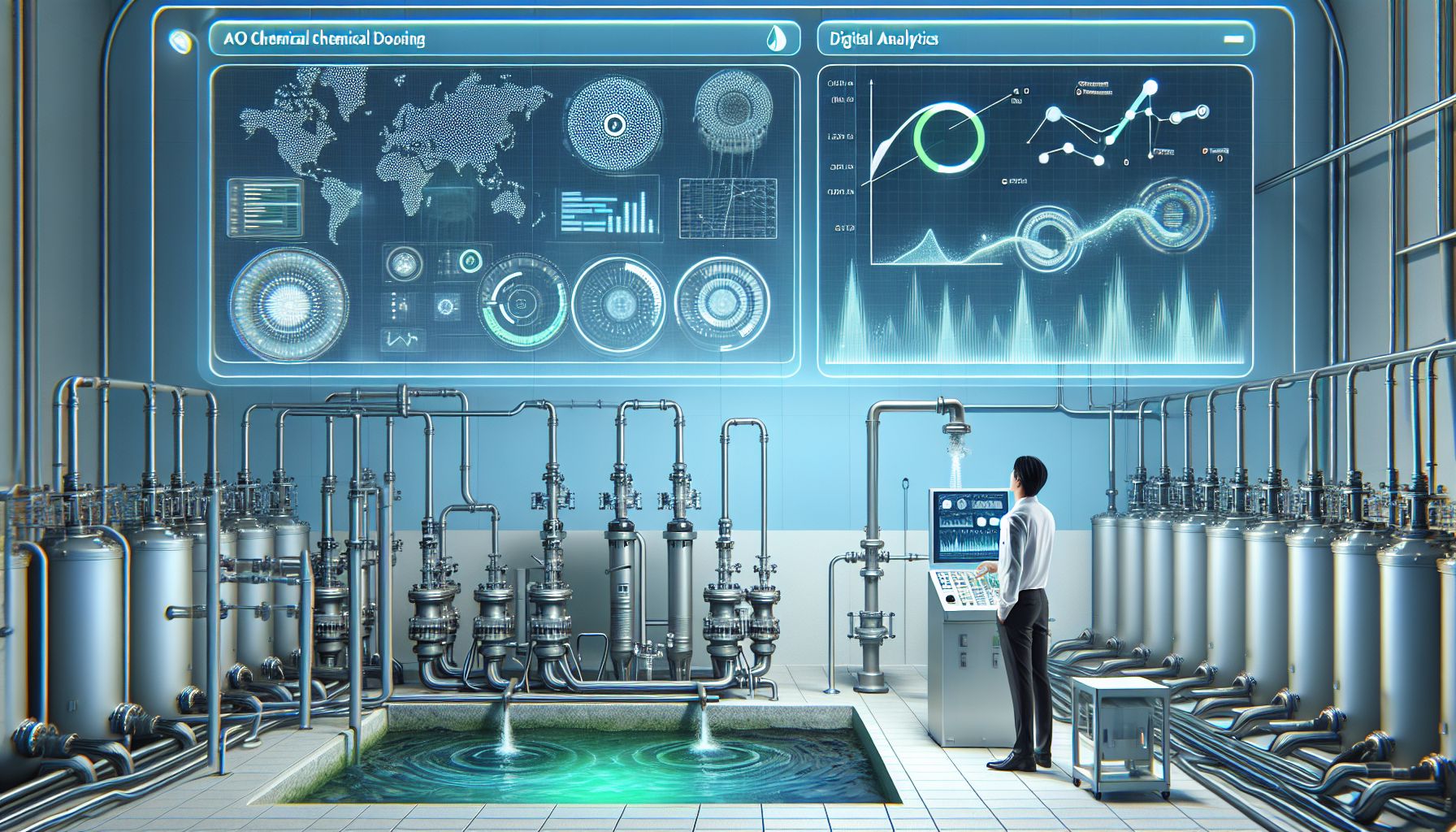
Automation trends in wastewater chemical dosing
The wastewater treatment industry is rapidly adopting automation, with a primary focus on the chemical dosing process. Automation brings efficiency, accuracy, cost-saving benefits, and environmental sustainability. Industry professionals continually look for methods that ensure more reliable wastewater treatment, and automation stands out amongst these innovations. This article delves into the significant automation trends impacting chemical…
-
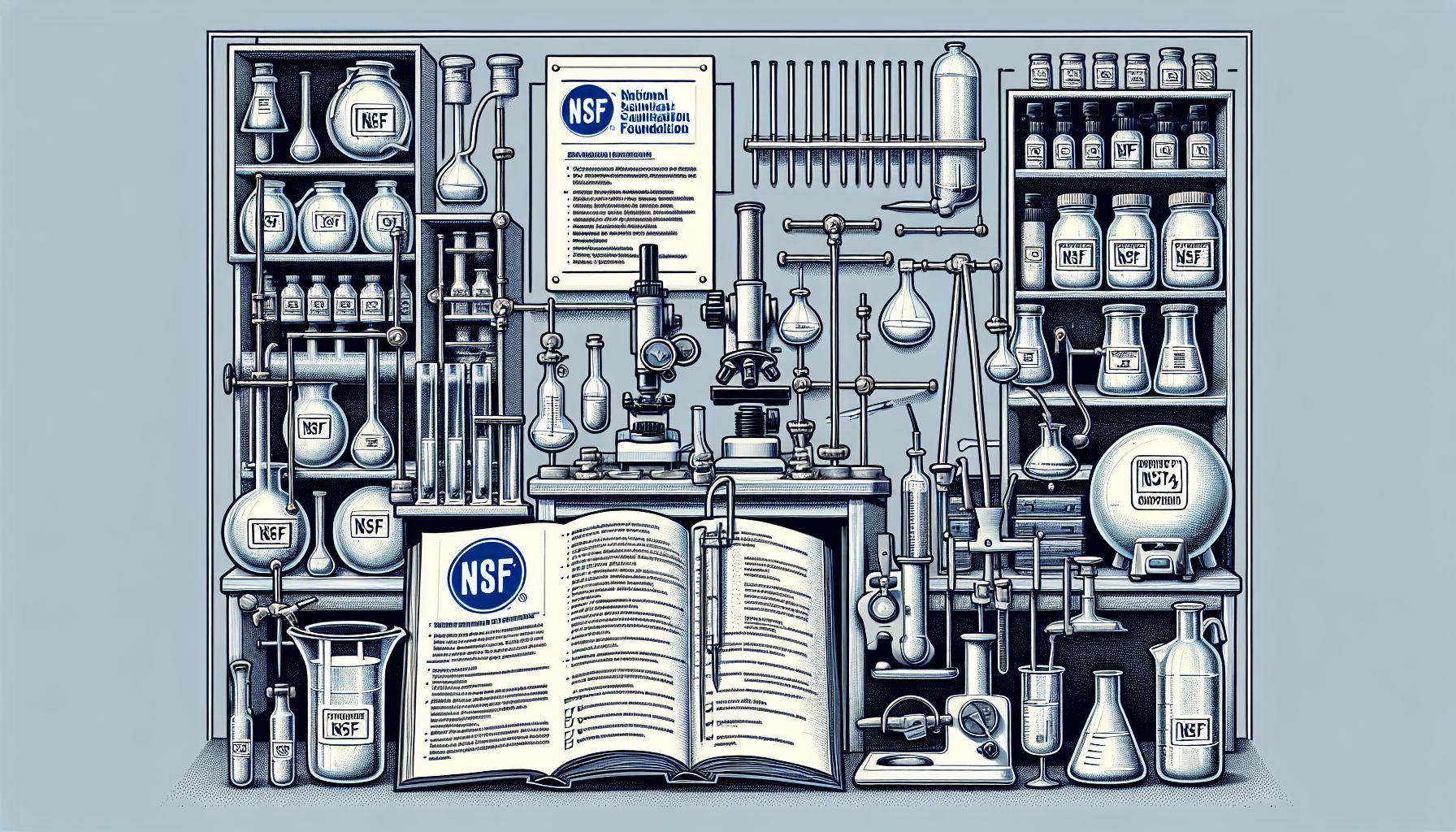
Understanding NSF requirements for chemical equipment
The National Sanitation Foundation (NSF) sets forth a range of guidelines and safety standards that manufacturers of chemical equipment must adhere to. These prescriptive instructions are used as a benchmark to assess the safety, reliability, and efficiency of chemical equipment. This article addresses the key details about NSF requirements for chemical equipment, along with their…
-
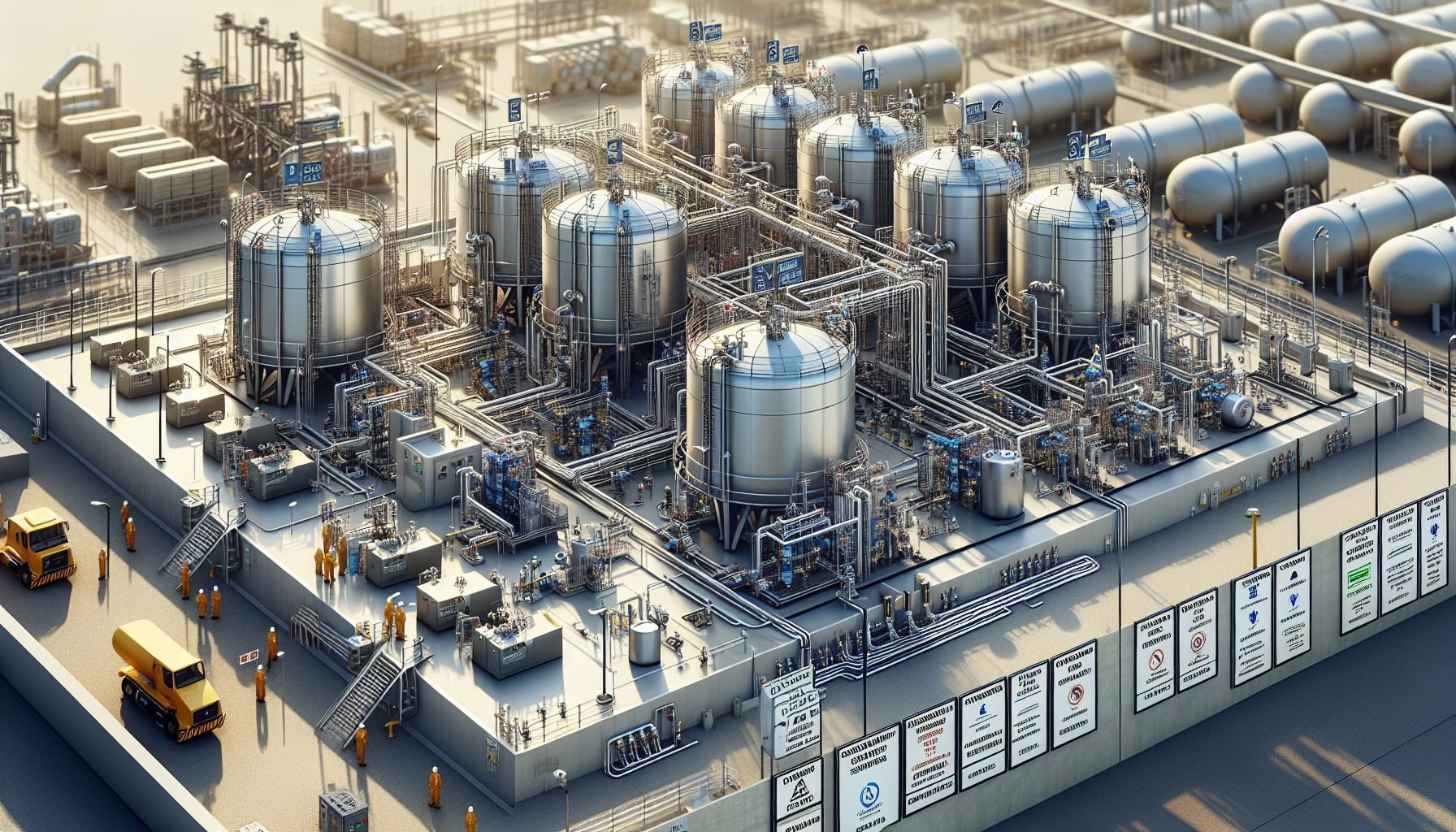
Designing sodium hypochlorite systems for municipal utilities
The design and implementation of sodium hypochite systems for municipal utilities involve several key factors. Municipalities require these systems to purify their water supplies, ensuring safety and health for all residents. With the rise in water pollution and contamination, the importance of using a proven disinfectant, like sodium hypochlorite, cannot be overstated. This article delves…
-
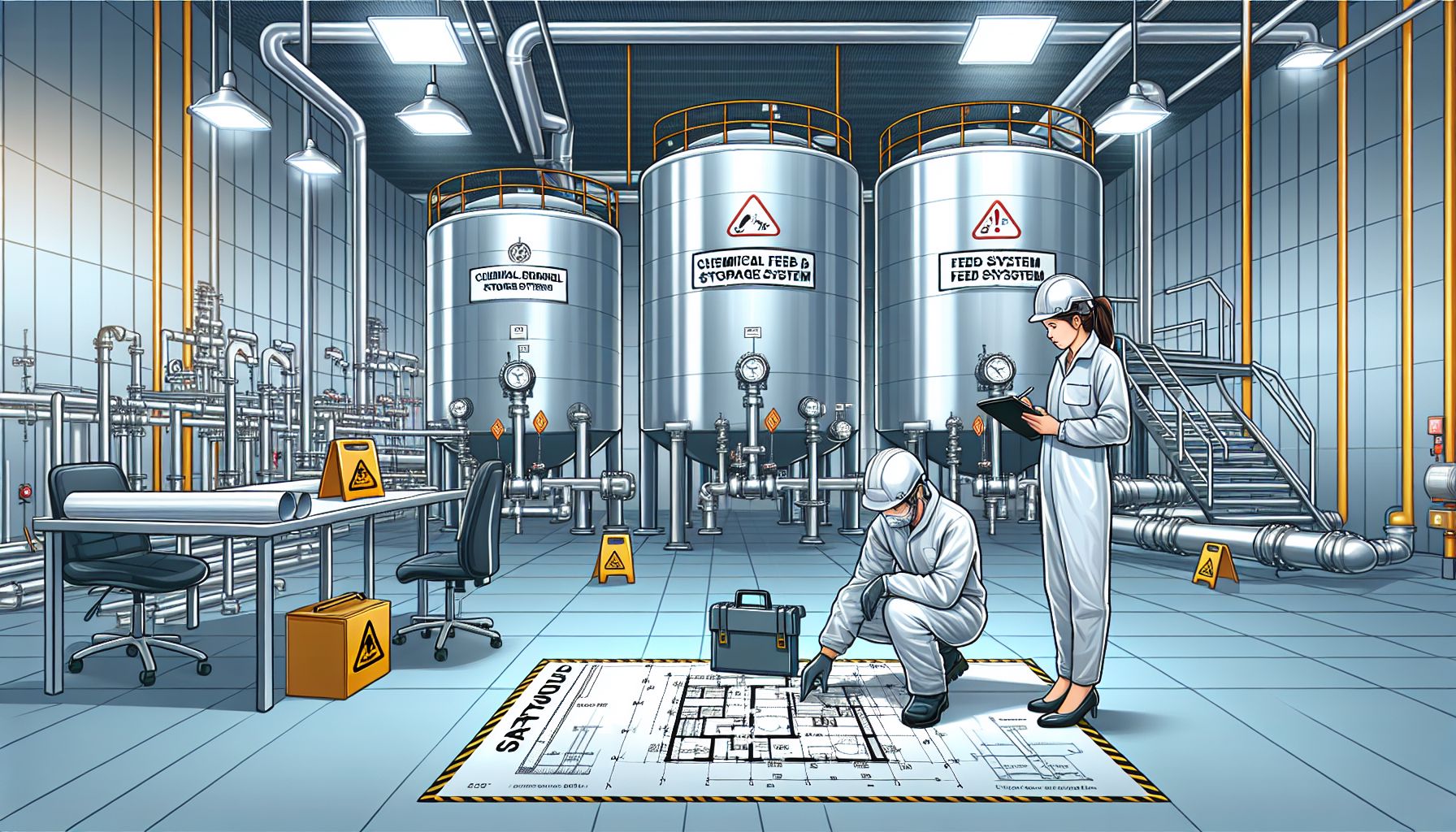
Safety audits for chemical feed and storage systems
Safety audits are essential elements in maintaining a safe and healthy environment in industries dealing with chemical feed and storage systems. This process involves assessing and examining the existing and potential hazards of these systems to effectively manage and minimize the risks they can generate. The Importance of Safety Audits Safety audits provide various benefits.…
-
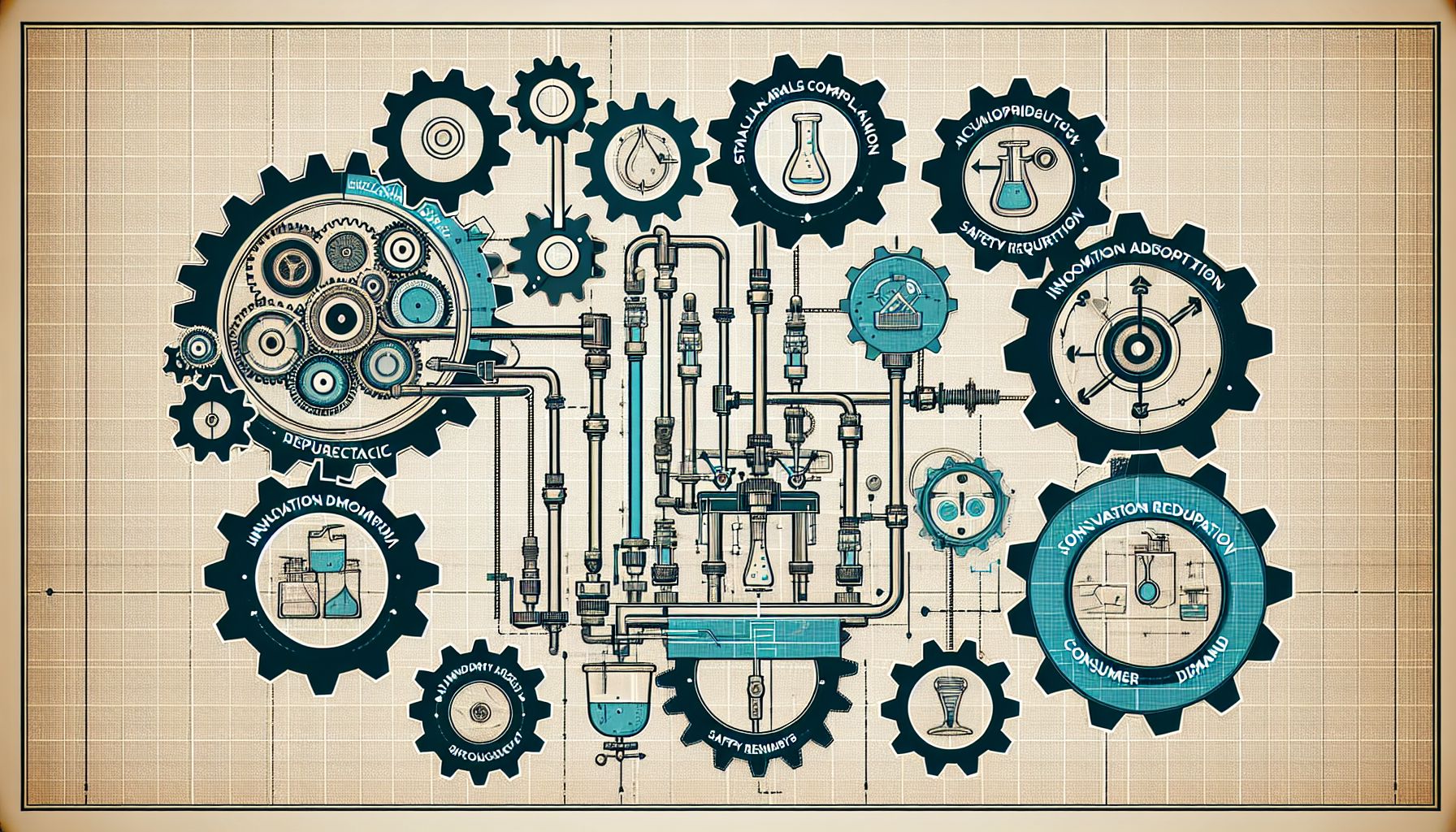
Regulatory drivers behind disinfection system upgrades
Constructive changes in regulatory standards have played a salient role in promoting disinfection system upgrades among water supply entities. Evolving legislation, unscheduled audits, innovation in technology, and public health concerns are some of the key elements driving these changes. This article explores these factors in terms of practical applications and their impact on communities at…
-
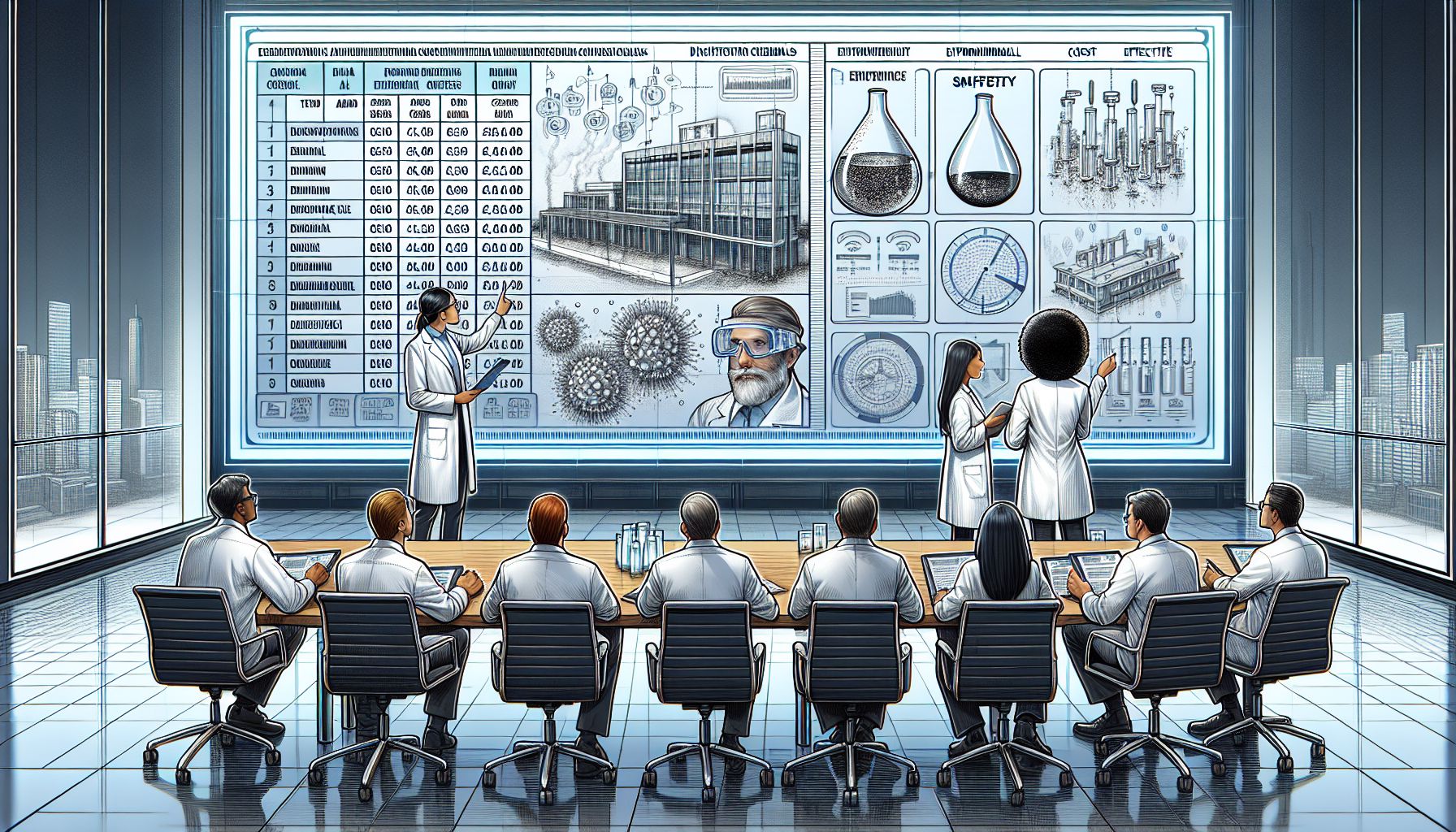
How utilities evaluate disinfection chemical options
The process of disinfecting water is critical to ensuring public health and safety. Various disinfection chemicals are available in the market, each with its own set of advantages and disadvantages. Therefore, utilities must carefully assess their options, taking into account factors such as the source of the water, contaminants that need to be addressed, the…