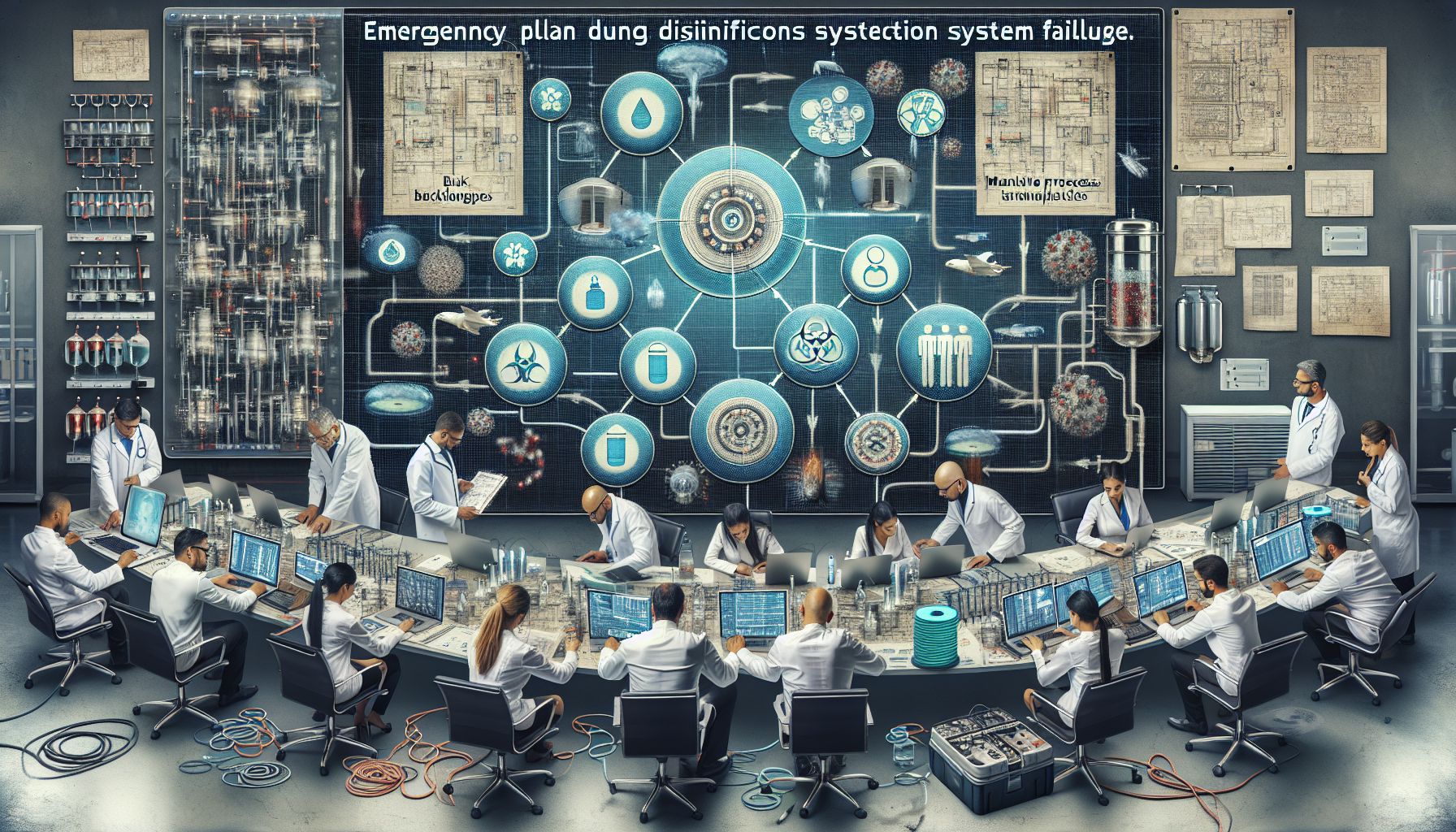
Understanding Disinfection System Failures
Disinfection systems play a critical role in many industries, protecting public health and environmental safety. They prevent disease transmission and minimize cross-contamination issues. Failures in these systems can, therefore, have dramatic impacts. They might cause minor issues like bad smell or taste issues with water supplies, or bigger problems relating to human health and safety. It’s key for industries relying on disinfection systems to understand what might cause these failures and how to prepare for them.
Equipment malfunctions, misuse of disinfectants, or depletion of disinfectant supplies can all result in system failures. Even natural disasters can compromise the disinfection process by affecting water quality. These failures can pose risks to human health, expose organizations to legal problems, or cause public relations issues.
Preparing for System Failures
Making an emergency plan for disinfection system failures is crucial. The nature of these emergencies requires immediate action. However, the lack of preparation can exacerbate the situation, leading to unnecessary risks and amplified damages. Emergency planning helps keep things under control by identifying possible emergency situations, outlining clear responses, and addressing all necessary preventive measures.
Collecting and analyzing data on common system failures should be the first step. Real-world examples of system failure cases can offer insights into complications and their actual impacts. Once you know the most probable issues, it’s easier to build an effective emergency plan.
Emergency Response Planning
Emergency response planning is more than a list of tasks to execute in the face of a disaster. It’s a methodical process that involves assessing potential risks, determining efficient responses, and executing preventative measures. This process creates a roadmap for focusing resources, managing risks, and mitigating the impacts of emergencies.
A response plan for disinfection system failures, for instance, could outline steps like immediate system shutdown, isolation of affected areas, activation of alternate sterilization methods, or informing health authorities about potential risks.
Training and Communication
Effective emergency planning involves not only laying out response steps but also ensuring the right training and communication practices. Personnel should be well trained on what actions to take during a system failure, how to use backup disinfection resources, and how to identify and report system failures early.
Communication also plays a significant role, especially in large-scale operations. Lack of proper communication or misinterpreted messages can result in errors, delays, and inefficiency at critical moments. Therefore, regular drills, alerts, and real-time communication tools can facilitate proper communication during emergencies.
System Maintenance
Preventative maintenance can mitigate many disinfection system failures. It involves routine checks, timely repair of system components, and proper use of disinfectants. Maintenance practices may vary depending on the disinfection method used such as chemical, thermal, or ultraviolet radiation. A well-maintained system performs better, lasts longer, and is less likely to fail unpredictably.
The Role of Technology
Advancements in technology have simplified many facets of disinfection system management. Modern systems are often integrated with sensors, alarms, and networked control mechanisms that alert operators in case of a failure. Such features can minimize downtime, ensure immediate responses, and reduce the risk of broad system failures.
Additionally, advanced disinfection systems are now designed with redundancy in mind. That means they’re equipped with backup system halves or parts that can come online instantly in the event of failure. These latest features are an increasingly vital part of comprehensive emergency planning.
Further information on using technology for emergency planning is available from the Federal Emergency Management Agency and the Center for Disease Control and Prevention.
Final Thoughts
Emergency planning for disinfection system failures should be a vital part of any organization using such systems. The goal should be to protect both public health and business operations, no matter what unexpected issues arise. By recognizing potential causes, establishing response plans, training staff, maintaining systems, and integrating appropriate technology, you can better handle any disinfection system failures, keep the damage to a minimum, and ensure that the response is as swift as possible. It’s a matter of planning ahead, staying prepared, and never underestimating the potential impact.