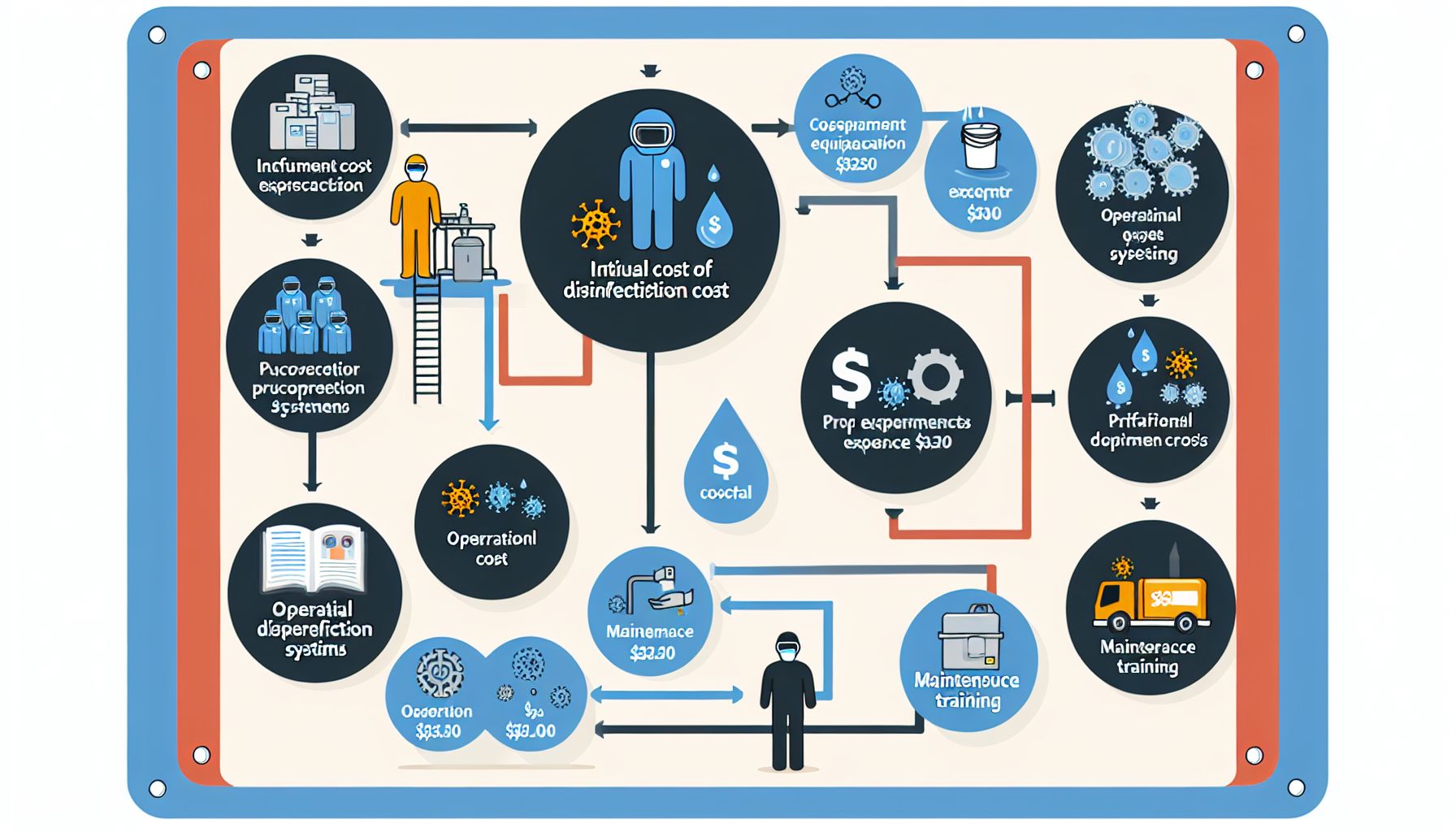
Obtaining a disinfection system for any facility or infrastructure can be an investment. Numerous cost factors can influence the type of system procured. Understanding these factors can help facility managers, owners, and other decision-makers make informed purchasing choices. Let’s explore these elements in depth.
Capital Costs
Any disinfection system purchase needs to consider upfront capital costs. Typically, these expenses include the actual system equipment costs, installation charges, and any initial training or certifications required for personnel. Capital costs can vary widely depending on the type of disinfection technology chosen. For instance, ultraviolet (UV) disinfection systems may have a higher upfront cost compared to chemical-based systems due to the sophisticated equipment involved.
Operational Expenses
The everyday operational expenses of a disinfection system are another critical factor to consider. These costs may include labor for system maintenance and operation, utilities, and recurring need for disinfection chemicals or parts for the system. These operational expenses also depend on the type of system chosen. For instance, UV systems, while expensive to install, have relatively lower operational costs as they are less labor-intensive and don’t require chemicals.
Infrastructure cost studies ^1^ also suggest the importance of factoring in long-term operational costs when procuring disinfection systems. They may far exceed the initial capital cost over the system’s lifespan, significantly influencing the total cost of ownership.
Replacement and Repairs
The cost of periodic component replacement and unexpected repairs can significantly impact the overall procurement cost of disinfection systems. High-frequency replacements or frequent repairs can quickly escalate the total cost. Therefore, the reliability and longevity of the system components need to be considered.
For example, systems such as ozone disinfection require frequent replacement of their diffusers, adding to the total cost. UV systems may also require lamp replacements. The frequency and cost of these replacements can impact the decision-making process.
Regulations and Compliance
Meeting regulatory standards is a non-negotiable part of disinfection system procurement. Non-compliance can lead to penalties or operational shutdown. Regulations set by entities such as the Environmental Protection Agency (EPA) ^2^ stipulate the disinfection requirements for various sectors including drinking water and wastewater treatment.
The cost implication here lies in the need to procure a system that meets these regulatory requirements. This factor may override the initial capital cost if certain systems are better equipped to meet compliance standards.
System Efficacy and Efficiency
A disinfection system’s efficacy directly impacts the procurement cost. If a system is not efficient, extra costs may be incurred in the form of higher utility bills, increased labor, or additional disinfectants. Furthermore, inefficient systems may not meet the required disinfection standards, leading to non-compliance costs.
The CDC guidelines ^3^ recommend procuring systems that effectively kill or inactivate the intended pathogens. The system’s rated capacity, usually expressed in terms of flow rate (gallons per minute or cubic meters per hour), should also match the application’s need to ensure efficiency and lower costs.
In Conclusion
The procurement cost of a disinfection system is not just about the initial purchase. Numerous other factors such as operational expenses, replacement and repair costs, regulatory compliance, and system efficacy significantly shape the decision-making process. An in-depth understanding of these factors can lead to cost-effective procurement in the long run.