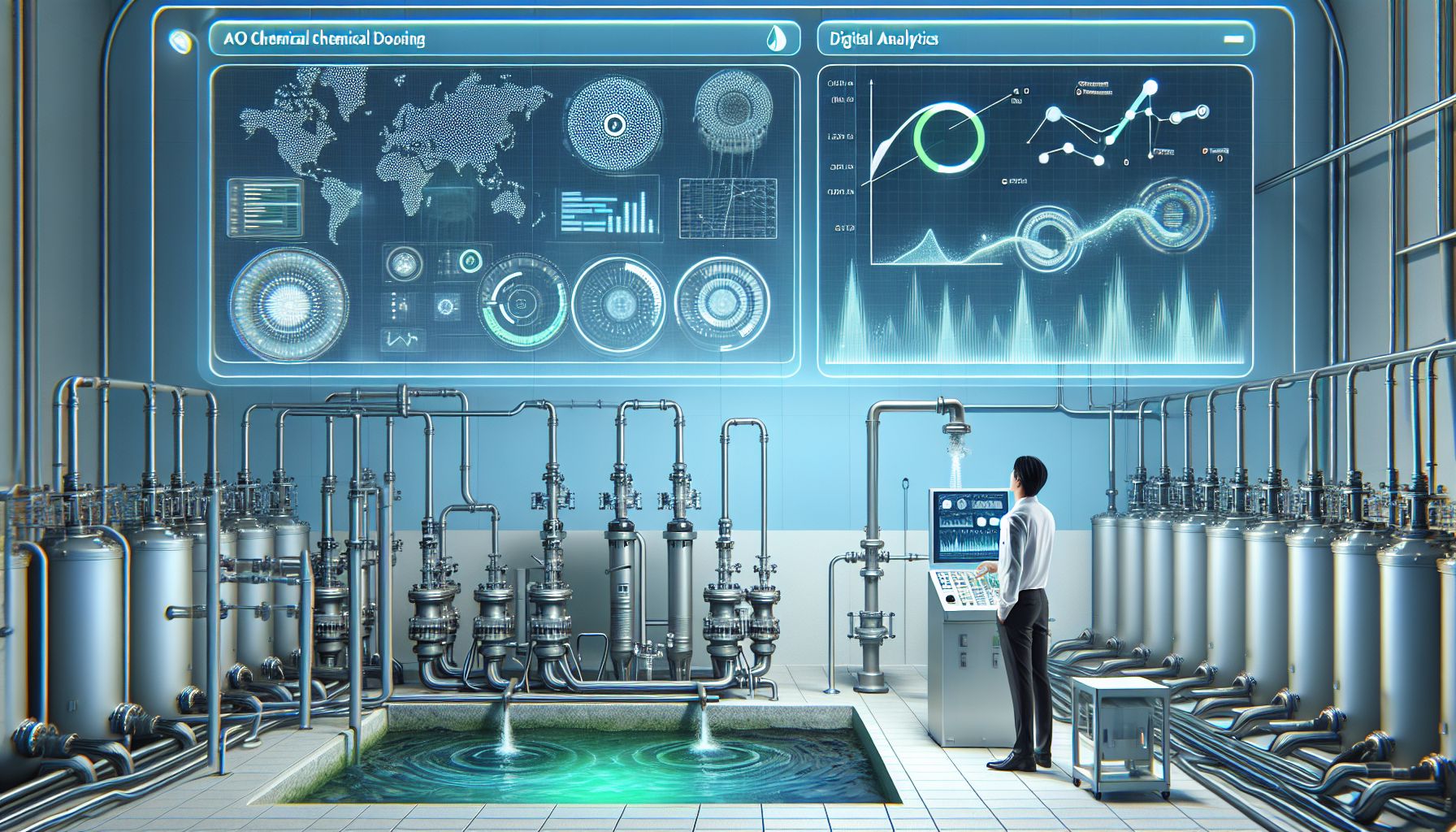
The wastewater treatment industry is rapidly adopting automation, with a primary focus on the chemical dosing process. Automation brings efficiency, accuracy, cost-saving benefits, and environmental sustainability. Industry professionals continually look for methods that ensure more reliable wastewater treatment, and automation stands out amongst these innovations. This article delves into the significant automation trends impacting chemical dosing in wastewater treatment.
The Move towards Automation
There is a distinct shift from manual to automated procedures in wastewater treatment plants. Initially, these plants would rely on personnel to deliver the precise chemical dosing needed for successful treatment. This traditional method was, at times, prone to human error, inefficiency, or inconsistencies, thereby affecting the results.
Automation addresses these challenges by allowing for precision, ease of operation, and process optimization. With the use of smart technologies such as microcontrollers and programmable logic controllers (PLCs), operators can set dosing parameters that the system can then follow without human intervention. An automated system can adapt to changing needs, such as the changing flow rate of wastewater or changes in its chemical composition, adjusting chemical dosing accordingly.
Process automation guidance from the Department of Energy also underscores the importance of automation for the optimization and efficiency of industrial processes, waste management included.
Automation Technology in Wastewater Treatment
The most popular technology used in the automation of chemical dosing in wastewater treatment is PLC systems. Uses of PLCs in wastewater treatment plants allow for flexibility, as they can handle several inputs and outputs, tolerate harsh plant environments, and provide comprehensive and real-time control and data analysis.
Another emerging technology trend is the use of artificial intelligence (AI) and machine learning. These technologies allow for more intelligent, predictive control of the dosing process, based on historical data and wastewater characteristics.
Benefits of Automation in Chemical Dosing
Implementing automated systems for chemical dosing in wastewater treatment has several advantages. First, automation vastly improves the precision and accuracy of chemical dosing. Accurate dosing is a critical factor in wastewater treatment, as it can significantly affect the process’s effectiveness and efficiency. Over or under-dosing can result in ineffective treatment and compliance issues with environmental regulations.
Secondly, automation allows for significant cost savings. By applying the exact amounts of chemicals needed, wastage is minimized. Plus, with less human intervention required, labor costs can also be reduced.
Lastly, automation can significantly improve environmental sustainability. By ensuring optimal chemical use, it minimizes residual potentially harmful chemicals that could otherwise be released into the environment.
Real-World Considerations and Challenges with Automation
Most wastewater treatment plants are now incorporating some degree of automation for chemical dosing. However, it is crucial to acknowledge that transitioning to a fully automated system can present challenges.
A key issue relates to the high initial capital expenditure required to implement automation. However, once the system is operational, it tends to bring cost savings over the long term, offsetting the upfront investment.
Another potential issue is the requirement for technical skills to operate and maintain the automated systems. Skill gaps can be bridged through operator training and professional development.
The Future of Automation in Wastewater Treatment
Moving forward, the trend towards automated chemical dosing in wastewater treatment will likely continue. Technologies such as AI and machine learning are anticipated to play a more significant role. Advanced systems will likely provide more intelligent, predictive control, using data-driven algorithms.
As the trend continues to gain increased industry traction, it will be essential to keep in mind the real-world challenges and considerations necessary to ensure successful, beneficial implementation.
For further reading, you may check the Environmental Protection Agency’s informational materials on wastewater treatment and the role of automation in ensuring optimal treatment results. The University of California, Berkeley’s research discussions also provide valuable insights into the up-and-coming automation technologies in the field of wastewater treatment.